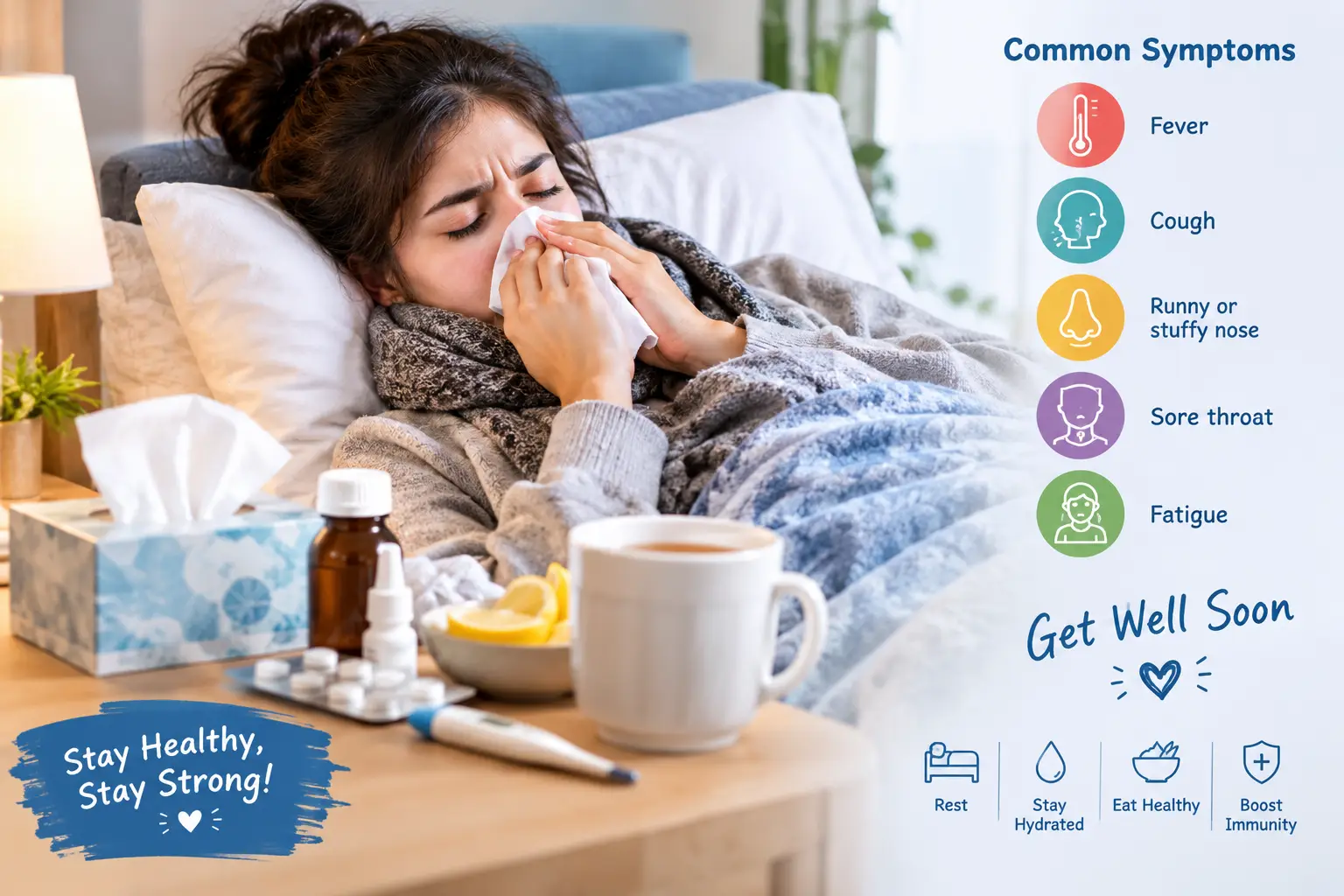
Synonyms of sickness include illness, disease, ailment, malady, disorder, infirmity, indisposition, affliction, condition, malaise, debility, and unwellness. The best choice depends on context. Some words describe a general state of being unwell, while others refer to a specific medical problem, weakness, discomfort, or nausea.
Synonyms of sickness can make everyday English more precise when you need to describe poor health without repeating the same word.
A student may write about an illness, while a blogger may prefer a more specific term such as ailment or disorder.
Learning synonyms of sickness helps writers choose words that sound natural and fit the situation.
For daily speakers, these alternatives make conversations about health clearer, more respectful, and less repetitive.
Whether you write essays, blog posts, emails, or stories, knowing synonyms of sickness gives your vocabulary more flexibility.
What Does “Sickness” Really Mean?
Sickness is a noun that describes a state of being physically or mentally unwell. It can refer to a disease, illness, discomfort, or the general condition of not being healthy.
In simple English, sickness means a condition in which someone feels ill or is affected by a health problem.
The word is common in everyday English. People use it when discussing health, absence from work or school, medical problems, nausea, or general discomfort.
For example:
She missed school because of sickness.
The long journey caused motion sickness.
The exact meaning can change with context. In general health discussions, sickness can mean illness. In phrases such as morning sickness or motion sickness, it can specifically refer to nausea or a feeling of wanting to vomit.
Part of Speech
Sickness is a noun.
It can describe a general state of poor health or a particular unpleasant physical condition.
Connotative Meaning
Connotation (the emotional or implied feeling associated with a word) can change how a health-related term sounds.
Positive Tone
Sickness itself is rarely positive. However, phrases such as recovery from sickness can suggest improvement, strength, and hope.
Negative Tone
Sickness usually carries a negative tone because it relates to illness, discomfort, weakness, or poor health.
Neutral Tone
In medical, educational, or factual writing, sickness can be neutral.
For example:
The report examined the causes of sickness among workers.
Etymology of Sickness
The word sickness comes from the older English adjective sick combined with the suffix -ness, which forms nouns describing states or qualities.
The historical form sickness developed from Middle English siknesse, which came from Old English seocnes, meaning sickness, illness, or a particular disease.
The older word sick traces back to Old English seoc, meaning ill, diseased, weak, troubled, or deeply affected by emotion. Its deeper origin is associated with Proto-Germanic seuka-.
Old English: 450–1100
Old English used forms related to seoc for being ill, weak, or unwell. The word could describe both physical suffering and certain forms of emotional distress.
Middle English: 1100–1500
During the Middle English period, forms such as siknesse developed. The term referred to illness, suffering, and particular health problems.
Modern English: 1500–Present
Modern English retained sickness, while related words such as illness, disease, and ailment developed different shades of meaning. By the late nineteenth century, sickness also became more strongly associated with nausea and stomach-related discomfort in some contexts.
Pronunciation
US: /ˈsɪk.nəs/
UK: /ˈsɪk.nəs/
Syllables
sick-ness
Affixation Pattern of Sickness
Root: sick
Prefix: none
Suffix: -ness
The suffix -ness changes the adjective sick into the noun sickness, expressing the state or condition of being sick.
Synonyms List
The following words overlap with sickness, but they are not always interchangeable. Some describe a general health problem, while others emphasize a particular type of illness, weakness, discomfort, or nausea.
1. Illness (Noun) — US /ˈɪl.nəs/ — UK /ˈɪl.nəs/
Meaning: A general state of being physically or mentally unwell.
Tone/Register: Neutral, common, widely used.
Example:
She stayed home because of a sudden illness.
The illness kept him away from work for several days.
2. Disease (Noun) — US /dɪˈziːz/ — UK /dɪˈziːz/
Meaning: A recognized medical condition that affects the body or mind.
Tone/Register: Medical, formal, academic.
Example:
Doctors are studying the disease carefully.
Early treatment can help manage some diseases.
3. Ailment (Noun) — US /ˈeɪl.mənt/ — UK /ˈeɪl.mənt/
Meaning: A health problem or illness, often one that is relatively minor.
Tone/Register: Neutral, slightly formal.
Example:
She visited the doctor about a minor ailment.
The old remedy was traditionally used for several common ailments.
4. Malady (Noun) — US /ˈmælədi/ — UK /ˈmælədi/
Meaning: A disease or health problem, especially in formal or literary language.
Tone/Register: Formal, literary.
Example:
The physician searched for the cause of the mysterious malady.
The novel describes a society struggling with a serious social malady.
5. Disorder (Noun) — US /dɪˈsɔːrdər/ — UK /dɪˈsɔːdə/
Meaning: A medical condition in which normal physical or mental functioning is disturbed.
Tone/Register: Medical, academic.
Example:
The doctor diagnosed a digestive disorder.
The article explains how the disorder can affect daily life.
6. Affliction (Noun) — US /əˈflɪkʃən/ — UK /əˈflɪkʃən/
Meaning: A condition that causes suffering or distress.
Tone/Register: Formal, literary.
Example:
The treatment gave relief from his long-term affliction.
The story follows a family dealing with a painful affliction.
7. Infirmity (Noun) — US /ɪnˈfɜːrməti/ — UK /ɪnˈfɜːməti/
Meaning: Physical weakness or poor health, especially associated with age or long-term conditions.
Tone/Register: Formal, literary.
Example:
Age had brought several physical infirmities.
He refused to let his infirmity define his life.
8. Indisposition (Noun) — US /ˌɪndɪspəˈzɪʃən/ — UK /ˌɪndɪspəˈzɪʃən/
Meaning: A mild or temporary state of being unwell.
Tone/Register: Formal, polite.
Example:
She canceled the meeting because of a brief indisposition.
His indisposition lasted only a day.
9. Condition (Noun) — US /kənˈdɪʃən/ — UK /kənˈdɪʃən/
Meaning: A medical state or problem affecting someone’s health.
Tone/Register: Neutral, medical, professional.
Example:
The condition requires regular monitoring.
Her condition has improved with treatment.
10. Malaise (Noun) — US /məˈleɪz/ — UK /mæˈleɪz/
Meaning: A general feeling of discomfort, weakness, or lack of well-being.
Tone/Register: Formal, medical, literary.
Example:
He complained of fatigue and general malaise.
The patient experienced malaise before the fever appeared.
11. Debility (Noun) — US /dɪˈbɪləti/ — UK /dɪˈbɪləti/
Meaning: A state of physical weakness caused by illness, age, or another condition.
Tone/Register: Formal, medical.
Example:
The prolonged illness left her with considerable debility.
Good nutrition may help someone recover from physical debility.
12. Unwellness (Noun) — US /ʌnˈwelnəs/ — UK /ʌnˈwelnəs/
Meaning: The state of feeling unwell or not being in good health.
Tone/Register: Neutral, descriptive.
Example:
He reported general unwellness after the trip.
Persistent unwellness should not simply be ignored.
13. Poor Health (Noun Phrase) — US /pʊr helθ/ — UK /pʊə helθ/
Meaning: A general state in which someone’s health is below normal.
Tone/Register: Neutral, common.
Example:
Poor health affected his ability to work.
The article discusses the effects of poor health on older adults.
14. Ill Health (Noun Phrase) — US /ɪl helθ/ — UK /ɪl helθ/
Meaning: A condition of having health problems or being physically unwell.
Tone/Register: Neutral, formal.
Example:
She retired early because of ill health.
Long periods of ill health can affect emotional well-being.
15. Complaint (Noun) — US /kəmˈpleɪnt/ — UK /kəmˈpleɪnt/
Meaning: A health problem reported by a patient, often a symptom or minor ailment.
Tone/Register: Medical, neutral.
Example:
His main complaint was a persistent headache.
The doctor asked about her other complaints.
16. Nausea (Noun) — US /ˈnɔːziə/ — UK /ˈnɔːziə/
Meaning: An unpleasant feeling that you may vomit.
Tone/Register: Medical, neutral.
Example:
The medicine caused mild nausea.
She felt nausea during the boat ride.
17. Queasiness (Noun) — US /ˈkwiːzinəs/ — UK /ˈkwiːzinəs/
Meaning: A mild feeling of nausea or stomach discomfort.
Tone/Register: Informal, everyday.
Example:
A few minutes into the journey, he felt some queasiness.
She drank water to settle her queasiness.
18. Nauseousness (Noun) — US /ˈnɔːʃəsnəs/ — UK /ˈnɔːziəsnəs/
Meaning: The state of feeling sick or likely to vomit.
Tone/Register: Neutral.
Example:
The smell increased her nauseousness.
His nauseousness disappeared after he rested.
19. Infirmness (Noun) — US /ɪnˈfɜːrmnəs/ — UK /ɪnˈfɜːmnəs/
Meaning: A state of physical weakness or lack of strength.
Tone/Register: Formal, less common.
Example:
The illness resulted in temporary infirmness.
The story portrays the character’s physical infirmness with sensitivity.
20. Feebleness (Noun) — US /ˈfiːblnəs/ — UK /ˈfiːblnəs/
Meaning: A lack of physical strength or energy.
Tone/Register: Formal, descriptive.
Example:
The infection left him with noticeable feebleness.
Her feebleness gradually improved after recovery.
21. Weakness (Noun) — US /ˈwiːknəs/ — UK /ˈwiːknəs/
Meaning: A lack of physical strength that may result from sickness or another cause.
Tone/Register: Neutral, very common.
Example:
She experienced weakness after the fever.
The patient reported muscle weakness.
22. Frailty (Noun) — US /ˈfreɪlti/ — UK /ˈfreɪlti/
Meaning: Physical weakness or vulnerability, often associated with age or poor health.
Tone/Register: Neutral, formal.
Example:
The illness increased his physical frailty.
The report examines frailty among older patients.
23. Debilitation (Noun) — US /dɪˌbɪləˈteɪʃən/ — UK /dɪˌbɪlɪˈteɪʃən/
Meaning: A state of becoming physically weak because of illness or another condition.
Tone/Register: Medical, formal.
Example:
The infection caused severe debilitation.
Long recovery periods can lead to temporary debilitation.
24. Suffering (Noun) — US /ˈsʌfərɪŋ/ — UK /ˈsʌfərɪŋ/
Meaning: Physical or emotional pain caused by illness or another difficult condition.
Tone/Register: Neutral, emotional.
Example:
The treatment reduced her suffering.
The story focuses on the suffering caused by chronic illness.
25. Distress (Noun) — US /dɪˈstres/ — UK /dɪˈstres/
Meaning: Severe physical or emotional discomfort associated with a health problem.
Tone/Register: Neutral, medical.
Example:
The patient showed signs of respiratory distress.
The pain caused considerable distress.
26. Inflammation (Noun) — US /ˌɪnfləˈmeɪʃən/ — UK /ˌɪnfləˈmeɪʃən/
Meaning: A bodily response that causes swelling, heat, redness, or pain and may accompany illness.
Tone/Register: Medical, scientific.
Example:
The test showed inflammation in the affected area.
The doctor explained that inflammation was causing the discomfort.
27. Infection (Noun) — US /ɪnˈfekʃən/ — UK /ɪnˈfekʃən/
Meaning: An illness caused by harmful microorganisms entering and multiplying in the body.
Tone/Register: Medical, common.
Example:
The doctor suspected a bacterial infection.
The infection caused a high fever.
28. Fever (Noun) — US /ˈfiːvər/ — UK /ˈfiːvə/
Meaning: An abnormally high body temperature, usually associated with illness.
Tone/Register: Neutral, everyday, medical.
Example:
He stayed home because he had a fever.
Her fever finally went down overnight.
29. Indisposition (Noun) — US /ˌɪndɪspəˈzɪʃən/ — UK /ˌɪndɪspəˈzɪʃən/
Meaning: A mild condition of being temporarily unwell.
Tone/Register: Formal, polite.
Example:
His temporary indisposition prevented him from attending.
She mentioned a slight indisposition but expected to recover quickly.
30. Sickness (Noun) — US /ˈsɪknəs/ — UK /ˈsɪknəs/
Meaning: A state of being ill, unhealthy, or physically uncomfortable.
Tone/Register: Neutral, everyday.
Example:
The school recorded several cases of sickness.
Motion sickness made the journey uncomfortable.
31. Medical Problem (Noun Phrase) — US /ˈmedɪkəl ˈprɑːbləm/ — UK /ˈmedɪkəl ˈprɒbləm/
Meaning: A health issue that may require medical attention.
Tone/Register: Neutral, conversational.
Example:
She missed work because of a medical problem.
The doctor helped identify the source of his medical problem.
32. Health Problem (Noun Phrase) — US /helθ ˈprɑːbləm/ — UK /helθ ˈprɒbləm/
Meaning: Any issue that negatively affects a person’s health.
Tone/Register: Neutral, very common.
Example:
He has a minor health problem.
Regular checkups can identify health problems early.
33. Health Issue (Noun Phrase) — US /helθ ˈɪʃuː/ — UK /helθ ˈɪʃuː/
Meaning: A health-related difficulty or concern.
Tone/Register: Neutral, polite, modern.
Example:
She took time off because of a health issue.
The writer discussed common health issues among teenagers.
34. Medical Condition (Noun Phrase) — US /ˈmedɪkəl kənˈdɪʃən/ — UK /ˈmedɪkəl kənˈdɪʃən/
Meaning: A particular state of health identified or described medically.
Tone/Register: Medical, professional, neutral.
Example:
He lives with a long-term medical condition.
The condition requires regular medical care.
35. Health Complaint (Noun Phrase) — US /helθ kəmˈpleɪnt/ — UK /helθ kəmˈpleɪnt/
Meaning: A symptom or health problem reported by a person.
Tone/Register: Medical, formal.
Example:
Her main health complaint was persistent tiredness.
The clinic recorded each patient’s health complaint.
36. Physical Distress (Noun Phrase) — US /ˈfɪzɪkəl dɪˈstres/ — UK /ˈfɪzɪkəl dɪˈstres/
Meaning: Physical pain, discomfort, or difficulty caused by illness or injury.
Tone/Register: Formal, descriptive.
Example:
The patient was clearly in physical distress.
The treatment reduced his physical distress.
37. Physical Debility (Noun Phrase) — US /ˈfɪzɪkəl dɪˈbɪləti/ — UK /ˈfɪzɪkəl dɪˈbɪləti/
Meaning: A condition of reduced physical strength or stamina.
Tone/Register: Formal, medical.
Example:
The illness resulted in physical debility.
Exercise was adjusted because of her physical debility.
38. Poor Condition (Noun Phrase) — US /pʊr kənˈdɪʃən/ — UK /pʊə kənˈdɪʃən/
Meaning: A state in which someone’s physical health is weak or unsatisfactory.
Tone/Register: Neutral, descriptive.
Example:
The illness left him in poor condition.
The patient arrived in poor condition but later improved.
39. Unfitness (Noun) — US /ʌnˈfɪtnəs/ — UK /ʌnˈfɪtnəs/
Meaning: A lack of physical health or fitness that prevents normal activity.
Tone/Register: Formal, less common.
Example:
His unfitness made the physical task difficult.
The medical assessment focused on his temporary unfitness for work.
40. Morbidity (Noun) — US /mɔːrˈbɪdəti/ — UK /mɔːˈbɪdəti/
Meaning: The state or rate of illness within a population or group.
Tone/Register: Medical, academic, statistical.
Example:
Researchers examined morbidity in the region.
The study reported lower morbidity after the intervention.
41. Convalescence (Noun) — US /ˌkɑːnvəˈlesəns/ — UK /ˌkɒnvəˈlesəns/
Meaning: The period of recovery after an illness.
Tone/Register: Formal, medical.
Example:
She spent several weeks in convalescence.
Rest played an important role during his convalescence.
42. Incapacity (Noun) — US /ˌɪnkəˈpæsəti/ — UK /ˌɪnkəˈpæsəti/
Meaning: A lack of ability to perform normal activities because of illness or physical limitation.
Tone/Register: Formal, professional.
Example:
His illness caused temporary incapacity.
The policy covers periods of incapacity caused by serious illness.
43. Invalidity (Noun) — US /ˌɪnvəˈlɪdəti/ — UK /ˌɪnvəˈlɪdəti/
Meaning: A state of being unable to work or function normally because of illness or disability.
Tone/Register: Formal, old-fashioned in some contexts.
Example:
The old document referred to prolonged invalidity.
The term is now less common in everyday English.
44. Unhealthiness (Noun) — US /ʌnˈhelθinəs/ — UK /ʌnˈhelθinəs/
Meaning: The state of being unhealthy or harmful to health.
Tone/Register: Neutral, descriptive.
Example:
The report examined the unhealthiness of the environment.
Poor sleep may contribute to general unhealthiness.
45. Indisposition (Noun) — US /ˌɪndɪspəˈzɪʃən/ — UK /ˌɪndɪspəˈzɪʃən/
Meaning: A temporary state of mild illness or physical discomfort.
Tone/Register: Formal, polite.
Example:
She apologized for her absence due to indisposition.
His indisposition was brief, and he soon returned to work.
A Note About the 45 Words
Not every word above is a perfect replacement for sickness in every sentence. English synonyms often overlap rather than match exactly.
For example, illness is a broad everyday alternative, while disease usually suggests a recognized medical condition. Malaise focuses on a general feeling of discomfort, whereas nausea specifically describes a feeling that you may vomit.
Words such as morbidity, convalescence, and incapacity are connected to health but have narrower meanings. They should therefore be chosen according to context.
Synonyms of Sickness by Tone
Positive or Recovery-Focused
Convalescence, recovery, and expressions such as improved health can create a hopeful context. These terms work well when discussing progress after sickness.
Neutral
Illness, sickness, ailment, condition, health problem, and medical condition are generally neutral.
They are useful in everyday conversation, educational writing, and factual content.
Negative or Serious
Affliction, suffering, debility, frailty, and distress can emphasize the difficult effects of poor health.
These words are useful when the writer wants to highlight hardship or severity.
Informal or Everyday
Queasiness, feeling sick, and health problem sound natural in casual conversation.
They are usually easier for everyday speakers than highly formal words such as indisposition or debilitation.
Why Tone Matters in Word Choice
Choosing the right synonym is more than replacing one word with another.
Compare:
She has an illness.
with:
She suffers from a serious affliction.
The first sentence sounds neutral and ordinary. The second sounds more serious and emotional.
Good vocabulary selection helps your reader understand not only what happened, but also how the writer views or describes it.
“Sickness” vs Close Alternatives
Illness vs Sickness
Sickness and illness are very close in meaning.
Illness is often preferred in formal or general health writing. Sickness is common in everyday speech and appears in specific expressions such as motion sickness and morning sickness.
Sickness vs Disease
Disease usually refers to a medically recognized disorder or pathological condition.
Use disease when discussing a specific medical problem. Use sickness when speaking more generally about being unwell.
Sickness vs Ailment
Ailment often suggests a particular health problem, especially one that is relatively minor.
For example, a headache may be described as an ailment, while sickness can refer to a broader state of being unwell.
How “Sickness” Changes by Context
Daily Conversation
In casual speech, people commonly say sickness, illness, feeling sick, health problem, or being unwell.
For example:
I couldn’t come because of sickness.
A more natural conversational alternative may be:
I couldn’t come because I was feeling unwell.
Writing or Blogging
Bloggers can use illness, health condition, ailment, disease, and health problem depending on the subject.
Using different terms prevents repetitive writing while keeping the meaning precise.
Professional or Academic Writing
Professional writing often favors specific terms such as medical condition, disease, disorder, morbidity, and physical debility.
The best choice depends on the exact medical or research context.
Creative or Informal Writing
Creative writing may use words such as affliction, malady, suffering, or frailty when emotional atmosphere matters.
These words can make a character’s experience feel more vivid.
Common Mistakes Learners Make
Mistake 1: Treating Every Synonym as Identical
A disease is not always the same as an ailment.
A disease may be a specific medical condition, while an ailment can describe a less serious health problem.
Mistake 2: Using “Nausea” for Every Kind of Sickness
Nausea specifically describes the feeling that you may vomit.
It should not automatically replace sickness in a sentence about a general illness.
Mistake 3: Using “Malady” in Casual Speech
Malady is correct, but it sounds formal or literary.
In everyday conversation, illness, sickness, or health problem will usually sound more natural.
Mistake 4: Confusing “Condition” With “Disease”
Condition is broader than disease.
A medical condition can refer to many different states of health and does not necessarily mean a disease.
Mistake 5: Overusing Medical Vocabulary
A simple sentence does not always need a technical word.
Instead of writing:
He experienced temporary indisposition.
Everyday English might simply say:
He felt unwell for a short time.
Register Notes
Formal English
Use disease, disorder, affliction, infirmity, debilitation, morbidity, and indisposition when the context supports a formal register.
Neutral English
Use illness, sickness, ailment, condition, health problem, and medical condition for most general situations.
Informal English
Use feeling sick, feeling unwell, queasiness, and health problem in everyday conversations.
Spoken vs Written English
Spoken English often favors short, familiar expressions.
Written English allows more specific vocabulary, especially when the audience needs precise information.
For related vocabulary learning, an internal article about synonyms of illness can also help readers compare closely related health terms.
Real-Life Mini Scenarios
Workplace
A worker might say:
I am taking today off because I am feeling unwell.
A formal workplace notice might say:
She was absent because of illness.
The first sounds conversational. The second is more suitable for formal documentation.
Social Situations
Someone might tell a friend:
I had a little stomach sickness yesterday.
A more natural alternative could be:
I had some nausea yesterday.
The second version gives the listener more specific information.
Media and Pop Culture
News articles may use illness, medical condition, or disease when reporting on a public figure’s health.
Writers should avoid dramatic language unless it accurately reflects the situation.
Writing and Storytelling
A novelist may write:
Years of illness had changed his outlook.
A more literary version could be:
Years of suffering had changed his outlook.
The second sentence emphasizes emotional hardship rather than simply stating the health problem.
How to Choose the Best Synonym
Use “Illness” for General Health Problems
Choose illness when you need a safe, natural, widely understood word.
Use “Disease” for Recognized Medical Conditions
Choose disease when the health problem has a specific medical identity.
Use “Ailment” for Smaller Health Problems
Choose ailment when referring to a particular health complaint, especially one that is not presented as severe.
Use “Malaise” for General Discomfort
Choose malaise when someone feels generally unwell, weak, or uncomfortable without one clearly defined symptom.
Use “Nausea” for the Feeling of Vomiting
Choose nausea when the main symptom is an unpleasant stomach sensation or the feeling that you might vomit.
Use “Disorder” for Disturbed Function
Choose disorder when discussing a condition involving abnormal physical or mental functioning.
Use “Affliction” for Emphasis on Suffering
Choose affliction when the writing needs a more serious or emotional tone.
How Synonyms Improve Your Vocabulary
Learning synonyms is not simply about memorizing long lists.
- It teaches you how English speakers make subtle distinctions between related ideas.
- For students, this can make essays more precise. Instead of repeating sickness several times, they can choose a suitable alternative.
- For bloggers, varied vocabulary makes educational content easier to read.
- For content writers, careful synonym selection can improve clarity without forcing keywords into every sentence.
- For daily English users, these words make conversations about health more natural and specific.
- The key is to learn each word with its meaning, tone, pronunciation, and example rather than memorizing it in isolation.
Practice Using Sickness Synonyms
Try replacing the repeated word in this sentence:
The patient’s sickness lasted for a week, and the sickness caused weakness.
A more varied version could be:
The patient’s illness lasted for a week, and the condition caused considerable weakness.
The meaning remains clear, but the vocabulary becomes more precise.
Suggested external reference: Etymonline — Sickness and word history — useful for checking the historical development and etymology of sickness.
Interactive Practice Quiz
1. Which word is the most general synonym for sickness?
A. Illness
B. Nausea
C. Convalescence
D. Morbidity
2. Which word usually refers to a recognized medical condition?
A. Disease
B. Queasiness
C. Weakness
D. Suffering
3. Which word means a feeling that you may vomit?
A. Frailty
B. Nausea
C. Infirmity
D. Disorder
4. Which word is most suitable for a mild health problem?
A. Ailment
B. Morbidity
C. Incapacity
D. Debilitation
5. Which term sounds more formal or literary?
A. Malady
B. Feeling sick
C. Health problem
D. Feeling unwell
6. Which word describes general discomfort or lack of well-being?
A. Malaise
B. Disease
C. Infection
D. Fever
7. Which term focuses on physical weakness?
A. Debility
B. Nausea
C. Infection
D. Complaint
8. Which word is commonly used in medical and academic contexts for abnormal functioning?
A. Disorder
B. Queasiness
C. Sickness
D. Unwellness
9. Which phrase is especially useful for professional writing?
A. Medical condition
B. Feeling yucky
C. Feeling sick
D. Being poorly
10. Which word describes the period of recovery after illness?
A. Convalescence
B. Affliction
C. Disease
D. Nausea
Reflection Task
Choose one synonym from this article and write your own sentence about a realistic situation involving health, school, work, travel, or daily life.
Answer Key
1-A | 2-A | 3-B | 4-A | 5-A | 6-A | 7-A | 8-A | 9-A | 10-A
Frequently Asked Questions
What is the best synonym for sickness in formal English?
Illness is usually one of the safest formal alternatives to sickness. In more technical writing, however, disease, disorder, or medical condition may be more accurate. The best choice depends on whether you mean a general state of being unwell or a specific medically identified problem.
What is a polite way to say someone is sick?
A polite and natural option is unwell. For example, you can say, “She is feeling unwell today.” In professional communication, illness, health issue, or medical condition can also sound respectful and appropriate without giving unnecessary personal details.
What is the difference between sickness and illness?
Sickness and illness often have the same general meaning, but their usage can differ by context. Illness is widely used for a general health condition, especially in formal writing. Sickness is also common in everyday English and appears in expressions such as motion sickness and morning sickness.
Which synonym of sickness is best for academic writing?
The best term depends on your subject. Disease, disorder, medical condition, morbidity, and physical debility can work well in academic contexts when their specific meanings fit. Avoid choosing a technical word simply because it sounds more advanced. Accuracy should come before complexity.
What is the difference between sickness, disease, and disorder?
Sickness is a broad term for being unwell. Disease generally refers to a recognized medical condition affecting normal body or mind function. Disorder often describes disturbed or abnormal functioning. These terms overlap, but they are not interchangeable in every medical or academic sentence.
Can sickness mean nausea?
Yes. Sickness can refer to nausea in particular expressions, including motion sickness, morning sickness, and sea sickness. However, nausea is more precise when you specifically mean the unpleasant feeling that you may vomit.
What synonym of sickness is best for everyday conversation?
Illness, feeling unwell, health problem, and feeling sick are natural everyday choices. Illness works well when discussing a general health problem, while feeling unwell is useful when you want to describe someone’s current state without naming a particular condition.
How can learning sickness synonyms improve English vocabulary?
Learning related health words helps you express meaning more accurately and avoid repetition. It also teaches register and context. For example, ailment may suit a minor health problem, nausea describes a specific sensation, and disease can identify a recognized medical condition.
Conclusion
Learning synonyms of sickness helps you describe health problems with greater clarity. Words such as illness, ailment, and condition make everyday English more flexible.
Strong vocabulary is not about using the most difficult word. It is about choosing the word that gives your reader or listener the clearest meaning.
For students, bloggers, writers, and speakers, these alternatives can improve essays, articles, emails, stories, and conversations.
Practice a few synonyms of sickness today by using them in your own sentences, emails, essays, or daily conversations and notice how each word changes the meaning.

Mehtab Yasir is a passionate writer and English language enthusiast dedicated to making vocabulary learning simple, practical, and enjoyable. As an author at SynonymDesk.com, she creates helpful content covering synonyms, antonyms, word meanings, vocabulary, phrases, and everyday English usage. Her goal is to provide clear and easy-to-understand information that helps students, writers, professionals, and English learners choose the right words and communicate with greater confidence. Mehtab believes that a strong vocabulary can improve both writing and communication skills. She enjoys researching new words, exploring their meanings and uses, and turning complex language concepts into useful, reader-friendly content. Through her work, she strives to make SynonymDesk.com a reliable resource for anyone looking to improve their English vocabulary and language skills.