Synonyms of pitied help us express sympathy, sorrow, and compassion with fresh vocabulary. When we read a sad story in a book, we often feel a deep ache for the main character who was pitied by everyone. This emotional resonance makes our writing far more engaging.
Exploring different words for this feeling allows us to describe human suffering with precision and care. Writers, students, and daily communicators use these terms to evoke real empathy. Upgrading your word choice transforms a simple sentence into a memorable emotional experience.
What Does “Pitied” Really Mean?
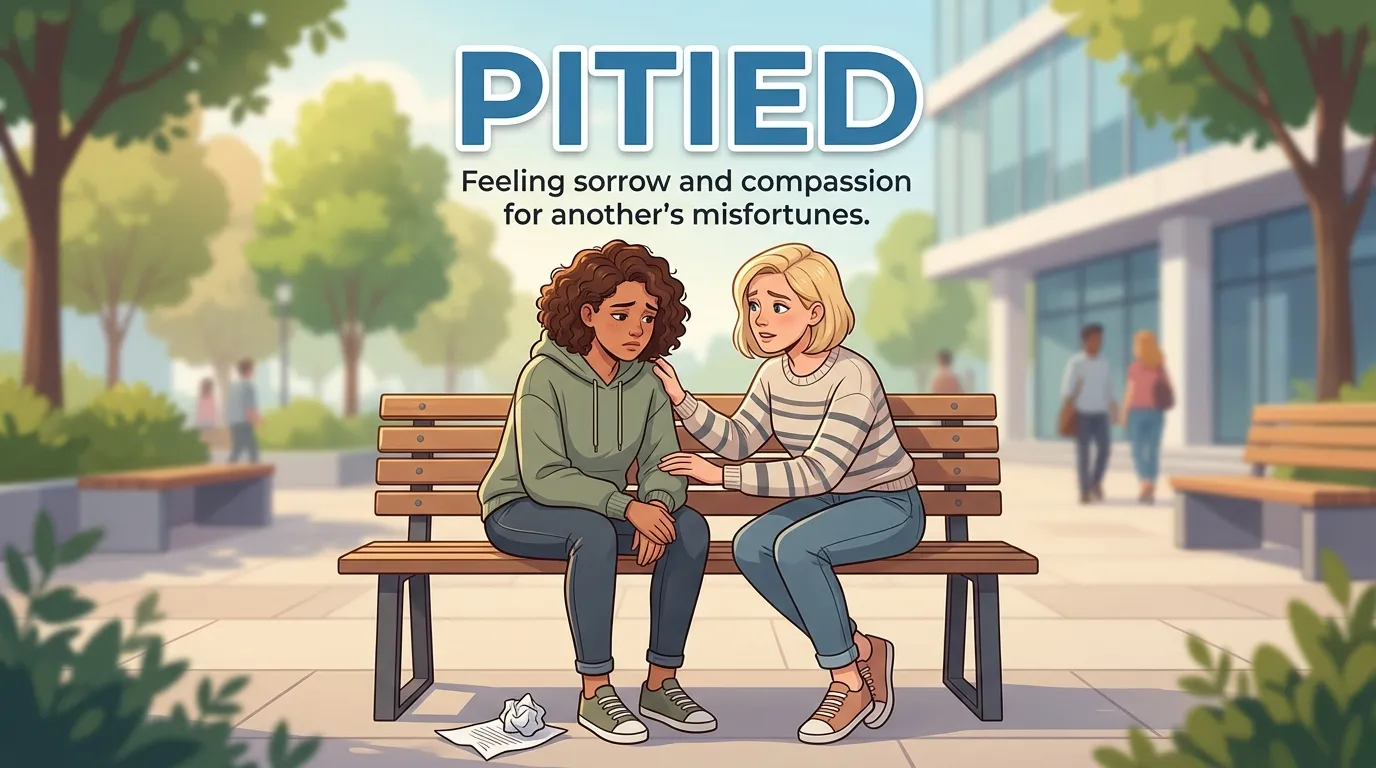
Pitied describes a state where someone receives feelings of sorrow, sympathy, or condescension from others due to their misfortune. Native speakers understand it as a mix of empathy and sometimes slight condescension. It appears often in storytelling, personal essays, and dramatic conversations. As a verb in the past participle or simple past tense, it conveys an active emotional response directed toward a person experiencing hardship.
Connotative Meaning
- Positive tone: None (inherently neutral or negative).
- Negative tone: Implies weakness, condescension, or unwanted charity.
- Neutral tone: Pure objective recognition of someone’s misfortune or grief. (Connotation refers to the secondary, emotional cultural meaning attached to a word beyond its strict dictionary definition.)
Etymology
The term originates from the Old French word pitet and the Latin pietas, meaning pity, piety, or loyalty.
- Old English (450–1100): Used roots related to mercy and sorrow.
- Middle English (1100–1500): Evolved through Norman French influence into pity.
- Modern English (1500–Present): Standardized into the verb form pitied to describe sorrowful sympathy.
Syllables & Affixation
- Syllables: pi-tied
- Root: pity
- Prefix: none
- Suffix: -ed (past tense marker)
80 Synonyms of Pitied
1. Commiserated
- Meaning: Expressed or felt sympathy or pity for the sufferings of another person.
- Tone/Register: Formal / Literary
- Example: 1. They commiserated with the defeated team after the tough match.
- The neighbors commiserated over the sudden loss of their community garden.
2. Sympathized
- Meaning: Shared feelings of pity or sorrow for someone else’s misfortune.
- Tone/Register: Standard / Neutral
- Example: 1. She sympathized with his frustration during the long delay.
- Many readers sympathized with the protagonist’s impossible choices.
3. Empathized
- Meaning: Understood and shared the feelings of another deeply.
- Tone/Register: Warm / Conversational
- Example: 1. He truly empathized with her nervous feelings before the interview.
- Good friends listen and empathize when life gets difficult.
4. Condoled
- Meaning: Expressed sympathetic sorrow or formal condolences.
- Tone/Register: Formal / Solemn
- Example: 1. The community condoled with the grieving family all week.
- Colleagues condoled quietly in the breakroom after the sad news.
5. Compassionate
- Meaning: Felt deep sympathy and pity accompanied by a desire to help.
- Tone/Register: Archaic / Literary
- Example: 1. The kind teacher compassionated the frightened stray animal.
- Classic novels often showed heroes who compassionated the low-income people.
6. Relied
- Meaning: (Contextual) Depended on sympathy, though usually used for trust.
- Tone/Register: Standard
- Example: 1. He relied on her gentle comfort during hard times.
- She relied heavily on family support when times got rough.
7. Lamented
- Meaning: Expressed passionate grief or sorrow about a situation.
- Tone/Register: Emotional / Literary
- Example: 1. They lamented the ruined crops after the heavy storm.
- The old man lamented his lost youth with quiet dignity.
8. Mourned
- Meaning: Felt or showed deep sorrow or regret for someone’s state.
- Tone/Register: Solemn / Formal
- Example: 1. The city mourned the historic building destroyed in the fire.
- She mourned the missed opportunities of her early career.
9. Grieved
- Meaning: Suffered or expressed intense sorrow over a hardship.
- Tone/Register: Emotional / Serious
- Example: 1. He grieved silently over the closing of his favorite bookstore.
- They grieved together after hearing the unfortunate economic news.
10. Bemoaned
- Meaning: Expressed discontent or sorrow over something lamentable.
- Tone/Register: Informal / Expressive
- Example: 1. Customers bemoaned the sudden price hike on everyday goods.
- He bemoaned his lack of free time during the busy season.
11. Deplored
- Meaning: Felt and expressed strong disapproval or deep sorrow.
- Tone/Register: Formal / Serious
- Example: 1. The council deplored the people with low-incomeliving conditions in the district.
- Citizens deplored the lack of funding for public parks.
12. Regretted
- Meaning: Felt sad, repentant, or disappointed over an occurrence.
- Tone/Register: Standard / Everyday
- Example: 1. She regretted the harsh words spoken in anger.
- They deeply regretted not showing more kindness earlier.
13. Yearned
- Meaning: Felt an intense longing or compassionate ache for relief.
- Tone/Register: Literary / Emotional
- Example: 1. He yearned for a world where nobody suffered needlessly.
- She yearned to see her struggling friend smile again.
14. Pined
- Meaning: Suffered a mental decline or longing due to sorrow.
- Tone/Register: Literary / Romantic
- Example: 1. The stray dog pined away near the closed adoption center.
- He pined for his hometown during the long winter abroad.
15. Longed
- Meaning: Had a strong wish or craving, often mixed with sorrow.
- Tone/Register: Standard / Warm
- Example: 1. Children longed for peace in their war-torn neighborhood.
- She longed to offer comfort to the lonely stranger.
16. Felt for
- Meaning: Experienced sympathy or emotional resonance with someone.
- Tone/Register: Conversational / Casual
- Example: 1. I really felt for him when his laptop crashed right before the deadline.
- Everyone felt for the parents standing in the long rain.
17. Solaced
- Meaning: Comforted in time of distress, sadness, or trial.
- Tone/Register: Formal / Literary
- Example: 1. Music solaced her lonely evenings after the move.
- Kind words solaced the weary travelers at the station.
18. Comforted
- Meaning: Provided physical or emotional ease and consolation.
- Tone/Register: Warm / Supportive
- Example: 1. The blanket comforted the shivering child instantly.
- Friends comforted each other through the difficult presentation.
19. Consoled
- Meaning: Comforted someone at a time of grief or disappointment.
- Tone/Register: Formal / Serious
- Example: 1. The coach consoled the player who missed the final shot.
- She tried to console her weeping younger brother.
20. Succored
- Meaning: Gave assistance and support to someone in hardship.
- Tone/Register: Literary / Formal
- Example: 1. Volunteers succored the displaced families with hot meals.
- The charity succored injured animals found near the highway.
21. Rescued
- Meaning: Saved from a dangerous or distressing situation.
- Tone/Register: Action-oriented / Dramatic
- Example: 1. Firefighters rescued the cat stuck in the tall tree.
- The rescue team pulled the hikers from the snowy ridge.
22. Saved
- Meaning: Kept safe from harm, injury, or severe distress.
- Tone/Register: Common / Direct
- Example: 1. Quick thinking saved the project from total failure.
- The timely rain saved the dying crops in the valley.
23. Redeemed
- Meaning: Compensated for faults or restored honor.
- Tone/Register: Formal / Philosophical
- Example: 1. His polite apology redeemed his earlier careless mistake.
- The team redeemed themselves with a brilliant second half.
24. Aided
- Meaning: Helped or supported someone in need of assistance.
- Tone/Register: Standard / Professional
- Example: 1. Nurses aided patients with gentle care throughout the night.
- The local library aided students with free tutoring sessions.
25. Assisted
- Meaning: Provided help or tactical support to achieve a goal.
- Tone/Register: Business / Professional
- Example: 1. Software assisted writers in checking grammar errors.
- Assistants assisted executives with organizing travel plans.
26. Helped
- Meaning: Made it easier for someone to do something or recover.
- Tone/Register: Casual / Everyday
- Example: 1. He helped his grandmother carry groceries up the stairs.
- Sharing notes helped the entire class prepare for exams.
27. Succumbed
- Meaning: Failed to resist pressure, temptation, or hardship.
- Tone/Register: Serious / Formal
- Example: 1. The tired plant succumbed to the unexpected frost.
- He finally succumbed to sleep after a thirty-hour shift.
28. Endured
- Meaning: Suffered patiently through difficult or painful conditions.
- Tone/Register: Resilient / Formal
- Example: 1. Pioneers endured harsh weather while crossing the plains.
- She endured months of physical therapy with great courage.
29. Tolerated
- Meaning: Allowed the existence or occurrence of something unpleasant.
- Tone/Register: Neutral / Patient
- Example: 1. The teacher tolerated whispering during quiet independent study.
- He tolerated the loud construction noise next door.
30. Suffered
- Meaning: Experienced or was subjected to pain or disadvantage.
- Tone/Register: Serious / Direct
- Example: 1. Many small businesses suffered during the economic downturn.
- The injured athlete suffered a setback in recovery.
31. Underwent
- Meaning: Experienced or was subjected to a specific process or trial.
- Tone/Register: Formal / Clinical
- Example: 1. The old bridge underwent safety repairs last month.
- She underwent rigorous training before the marathon.
32. Weathered
- Meaning: Survived or endured a difficult situation or storm.
- Tone/Register: Figurative / Resilient
- Example: 1. The company weathered the financial crisis successfully.
- Their friendship weathered many disagreements over the years.
33. Braved
- Meaning: Endured or faced unpleasant conditions with courage.
- Tone/Register: Heroic / Literary
- Example: 1. Fans braved the freezing rain to see the concert.
- She braved the dark basement to find the fuse box.
34. Stood
- Meaning: Remained upright, valid, or resilient against pressure.
- Tone/Register: Common / Strong
- Example: 1. The ancient stone wall stood against centuries of wind.
- He stood firm despite the heavy criticism from peers.
35. Bore
- Meaning: Carried or endured a heavy emotional or physical load.
- Tone/Register: Literary / Formal
- Example: 1. She bore the grief of her loss with quiet grace.
- The sturdy pillars bore the weight of the heavy roof.
36. Sustained
- Meaning: Suffered or experienced physical harm or support.
- Tone/Register: Formal / Clinical
- Example: 1. The vehicle sustained minor damage in the parking lot.
- Fresh water sustained the hikers through the desert trek.
37. Experienced
- Meaning: Encountered or underwent an event or emotional state.
- Tone/Register: Standard / General
- Example: 1. Travelers experienced delays due to airport maintenance.
- Everyone experienced a wave of relief when power returned.
38. Encountered
- Meaning: Unexpectedly faced or met a difficulty or person.
- Tone/Register: Neutral / Formal
- Example: 1. Explorers encountered cliffs blocking their path.
- We encountered friendly locals during our morning walk.
39. Faced
- Meaning: Confronted with courage or direct awareness.
- Tone/Register: Direct / Active
- Example: 1. She faced her fears by speaking at the conference.
- The city faced major traffic issues during rush hour.
40. Confronted
- Meaning: Met face-to-face with a hostile or difficult reality.
- Tone/Register: Assertive / Serious
- Example: 1. The manager confronted the supply chain delays head-on.
- He confronted his past mistakes and apologized sincerely.
41. Despised
- Meaning: Felt contempt or a strong sense of repugnance toward.
- Tone/Register: Negative / Strong
- Example: 1. The villain despised any form of honest hard work.
- She despised waking up early on cold winter mornings.
42. Scorned
- Meaning: Felt or expressed contempt or derision for someone.
- Tone/Register: Literary / Negative
- Example: 1. The proud merchant scorned the offers of local traders.
- He felt scorned when his advice was mocked publicly.
43. Disdained
- Meaning: Considered to be unworthy of one’s consideration or respect.
- Tone/Register: Formal / Snobbish
- Example: 1. The elite chef disdained packaged convenience foods.
- She disdained gossip as a waste of intellectual energy.
44. Mocked
- Meaning: Teased or laughed at in a contemptuous manner.
- Tone/Register: Informal / Negative
- Example: 1. Immature kids mocked his unique handmade backpack.
- The critics mocked the people with low-incomewritten script mercilessly.
45. Ridiculed
- Meaning: Subjected to laughter, mockery, or scorn.
- Tone/Register: Serious / Negative
- Example: 1. His wild theory was ridiculed before being proven true.
- She feared being ridiculed if she shared her painting.
46. Patronized
- Meaning: Treated with an apparent kindness that betrays a feeling of superiority.
- Tone/Register: Condescending / Formal
- Example: 1. He hated being patronized by experts who spoke too slowly.
- The clerk patronized customers by assuming they knew nothing.
47. Condescended
- Meaning: Showed feelings of superiority or patronizing pity.
- Tone/Register: Formal / Critical
- Example: 1. The wealthy donor condescended to visit the local school.
- She never condescended to anyone despite her high rank.
48. Belittled
- Meaning: Made someone or something seem unimportant or small.
- Tone/Register: Negative / Hurtful
- Example: 1. Harsh comments belittled her hard work on the project.
- He felt small when his contributions were belittled.
49. Disparaged
- Meaning: Regarded or represented as being of little worth.
- Tone/Register: Formal / Critical
- Example: 1. Rival companies disparaged each other’s product features.
- The author disparaged modern digital media in his essay.
50. Marginalized
- Meaning: Treated as insignificant or placed in a powerless position.
- Tone/Register: Sociological / Formal
- Example: 1. The community center helped marginalized artists showcase work.
- Policies often ignored marginalized groups during funding.
51. Ostracized
- Meaning: Excluded from a society, group, or circle.
- Tone/Register: Formal / Severe
- Example: 1. The dishonest trader was ostracized by local merchants.
- She feared being ostracized for expressing a unique opinion.
52. Shunned
- Meaning: Persistently avoided, ignored, or rejected.
- Tone/Register: Serious / Social
- Example: 1. He was shunned by classmates after the misunderstanding.
- The stray cat shunned human touch until it trusted the food.
53. Rejected
- Meaning: Dismissed as inadequate, inappropriate, or unwanted.
- Tone/Register: Direct / Neutral
- Example: 1. The publisher rejected the manuscript after review.
- She rejected the faulty merchandise for a full refund.
54. Abandoned
- Meaning: Left behind or deserted in a state of distress.
- Tone/Register: Melancholic / Emotional
- Example: 1. The old car sat abandoned near the dusty highway.
- He felt abandoned when his friends left without him.
55. Forsaken
- Meaning: Abandoned or deserted, often left to a sad fate.
- Tone/Register: Literary / Poetic
- Example: 1. The desolate village looked entirely forsaken by time.
- She felt forsaken during her darkest hours of doubt.
56. Neglected
- Meaning: Suffered from a lack of proper care or attention.
- Tone/Register: Standard / Critical
- Example: 1. The neglected garden grew wild with weeds and vines.
- Chronic health issues can arise from neglected dental care.
57. Overlooked
- Meaning: Failed to notice or pay proper attention to someone.
- Tone/Register: Mild / Conversational
- Example: 1. Her clever design was overlooked by the primary judges.
- We accidentally overlooked the back entrance during inspection.
58. Discounted
- Meaning: Regarded as unworthy of consideration or reduced in value.
- Tone/Register: Business / Neutral
- Example: 1. Analysts discounted the short-term market fluctuations.
- The store discounted winter coats to clear inventory space.
59. Dismissed
- Meaning: Ordered to leave or treated as unworthy of serious note.
- Tone/Register: Formal / Authoritative
- Example: 1. The boss dismissed the silly rumor immediately.
- Students were dismissed early due to maintenance work.
60. Ignored
- Meaning: Refused to take notice of or disregarded intentionally.
- Tone/Register: Common / Casual
- Example: 1. He ignored the text message while driving safely.
- The warning sign was ignored by careless hikers.
61. Sympathizers
- Meaning: People who feel or express sympathy or support.
- Tone/Register: Political / Social
- Example: 1. Local sympathizers brought blankets to the striking workers.
- The movement gained quiet sympathizers across the region.
62. Well-wishers
- Meaning: People who express a wish for someone’s happiness or success.
- Tone/Register: Warm / Friendly
- Example: 1. Well-wishers gathered outside the hospital for news.
- She thanked her well-wishers after winning the competition.
63. Supporters
- Meaning: People who approve of and encourage someone or a cause.
- Tone/Register: Active / Positive
- Example: 1. Loyal supporters cheered the team through every game.
- Environmental supporters planted trees along the riverbank.
64. Advocates
- Meaning: People who publicly support or recommend a cause or policy.
- Tone/Register: Professional / Formal
- Example: 1. Health advocates pushed for cleaner public water sources.
- Legal advocates defended the rights of tenants.
65. Champions
- Meaning: People who fight for or defend a person or principle vigorously.
- Tone/Register: Inspiring / Strong
- Example: 1. She became a champion for youth literacy programs.
- Local leaders championed small business growth.
66. Patrons
- Meaning: People who give financial or other support to a person or cause.
- Tone/Register: Formal / Cultural
- Example: 1. Art patrons funded the new gallery downtown.
- Regular patrons enjoyed the quiet ambiance of the cafe.
67. Benefactors
- Meaning: People who give money or help to a person or charity.
- Tone/Register: Formal / Generous
- Example: 1. An anonymous benefactor donated books to the school library.
- Hospital benefactors were honored at the annual gala.
68. Allies
- Meaning: People or groups united with another for a common purpose.
- Tone/Register: Cooperative / Strategic
- Example: 1. Neighbors became close allies in organizing a community watch.
- Companies formed tech allies to improve data security.
69. Protectors
- Meaning: People who keep someone or something safe from harm.
- Tone/Register: Guardian / Strong
- Example: 1. Park rangers acted as protectors of local wildlife.
- Older trees served as natural protectors against fierce winds.
70. Guardians
- Meaning: Defenders who watch over and care for vulnerable people.
- Tone/Register: Protective / Formal
- Example: 1. Legal guardians looked after the children’s estate.
- Faithful dogs acted as guardians of the rural homestead.
71. Consoler
- Meaning: Someone who provides comfort during times of grief.
- Tone/Register: Warm / Empathic
- Example: 1. She was a natural consoler for grieving friends.
- The wise mentor acted as a gentle consoler during crises.
72. Comforter
- Meaning: One who brings solace or physical warmth and ease.
- Tone/Register: Gentle / Domestic
- Example: 1. A heavy quilted comforter kept the bed warm.
- He was a steady comforter during her recovery period.
73. Solace-bringer
- Meaning: One who delivers peace and relief to troubled minds.
- Tone/Register: Poetic / Literary
- Example: 1. Soft acoustic music acted as a solace-bringer after work.
- Nature proved a true solace-bringer for stressed city dwellers.
74. Peacemaker
- Meaning: Someone who brings about peace, especially by reconciling parties.
- Tone/Register: Diplomatic / Positive
- Example: 1. The manager acted as a fair peacemaker in the team dispute.
- Experienced diplomats worked as regional peacemakers.
75. Mediator
- Meaning: A person who attempts to make people involved in a conflict come to an agreement.
- Tone/Register: Professional / Legal
- Example: 1. A neutral mediator helped settle the contract disagreement.
- Family court provided a trained mediator for talks.
76. Arbitrator
- Meaning: An independent person chosen to settle a dispute.
- Tone/Register: Formal / Legal
- Example: 1. The appointed arbitrator reviewed labor union documents.
- Both parties agreed to follow the arbitrator’s final ruling.
77. Conciliator
- Meaning: Someone who stops someone from being angry or discontented.
- Tone/Register: Formal / Diplomatic
- Example: 1. The skilled conciliator eased tensions between departments.
- A quiet conciliator can save a tense business meeting.
78. Healer
- Meaning: Someone who restores health or emotional peace.
- Tone/Register: Vital / Therapeutic
- Example: 1. Traditional herbalists were known as village healers.
- Time is often considered a great emotional healer.
79. Restorer
- Meaning: Someone who brings back a previous condition or health.
- Tone/Register: Technical / Craft
- Example: 1. Furniture restorers brought the antique chair back to life.
- Document restorers fixed pages damaged by water.
80. Rescuer
- Meaning: Someone who saves someone from danger or distress.
- Tone/Register: Heroic / Active
- Example: 1. The brave rescuer pulled the puppy from the creek.
- Coast Guard divers served as heroes and expert rescuers.
Synonyms for “Pitied” by Tone
Understanding tone helps writers pick the exact emotional shade they need. Using the wrong register can make an essay sound awkward or insensitive.
- Positive / Compassionate: Empathized, Sympathized, Succored, Comforted, Consoled
- Neutral / Objective: Experienced, Encountered, Observed, Noted, Aided
- Negative / Condescending: Scorned, Patronized, Belittled, Disdained, Mocked
Mini Comparison: Pitied vs Sympathized vs Commiserated
- Pitied: Focuses on looking down with sorrow or recognizing someone’s helpless misery. It carries a slight risk of sounding condescending if used with people with low income.
- Sympathized: Focuses on intellectual and emotional sharing of sorrow. It feels more equal and respectful than direct pity.
- Commiserated: Focuses on active mutual sharing of grief or hardship, often among people experiencing the same struggle together.
Context-Based Usage
- Daily Conversation: Use simple words like “felt for” or “sympathized” when talking casually with friends about a tough day.
- Writing or Blogging: Choose evocative terms like “lamented” or “yearned” to build rich emotional depth in personal narratives.
- Professional or Academic Tone: Rely on formal terms such as “commiserated” or “deplored” when discussing historical events or sociological research.
Common Mistakes & Native Usage
- Mistake: Using pitied when you mean supported.
- Correction: Pitied implies sorrow or condescension, while supported means offering active help.
- Register Note: Avoid using “pitied” in professional business settings where emotional detachment is preferred. Instead, use “addressed” or “analyzed.”
Real-Life Mini Scenarios
- Workplace: A manager commiserated with team members after a failed client pitch.
- Social Situations: Friends sympathized when someone lost their wallet at the park.
- Media / Pop Culture: Viewers felt for the underdog character in the season finale.
- Writing or Storytelling: The author lamented the fading traditions of the old village.
Conclusion
Mastering synonyms of pitied empowers you to describe human emotion with elegance and accuracy. Whether you are crafting a touching blog post or writing academic prose, choosing the right word transforms your message.
Practice incorporating these fresh vocabulary terms into your daily emails, creative writing, and conversations. Explore more language guides and synonyms of pitied resources to keep expanding your English toolkit today.
Interactive Practice Quiz
1. Which word best describes sharing mutual sorrow over a shared setback with a colleague?
- A. Commiserated
- B. Mocked
- C. Belittled
- D. Disdained
2. What is the primary tone of the word “patronized”?
- A. Neutral
- B. Condescending
- C. Joyful
- D. Scientific
3. If a writer wants to show deep emotional resonance without condescension, which choice works best?
- A. Pitied
- B. Scorned
- C. Sympathized
- D. Ridiculed
4. Which term implies giving practical aid alongside emotional sympathy?
- A. Succored
- B. Ignored
- C. Dismissed
- D. Ostracized
5. When describing an ancient tradition fading away, which verb fits a literary tone?
- A. Lamented
- B. Shopped
- C. Jogged
- D. Printed
6. Which synonym carries a strictly negative and mocking connotation?
- A. Comforted
- B. Mocked
- C. Consoled
- D. Empathized
7. What is the main difference between pitied and sympathized?
- A. Pitied can imply condescension; sympathized implies equal emotional sharing.
- B. Pitied means happy; sympathized means angry.
- C. They mean the same thing with no differences.
- D. Sympathized is always negative.
8. Which word fits a formal, clinical report about a bridge enduring stress?
- A. Underwent
- B. Cried
- C. Pined
- D. Yearned
9. How should a student use the word “deplored” in an essay?
- A. To express strong disapproval or sorrow over people with low-incomeconditions.
- B. To describe winning a game.
- C. To explain cooking recipes.
- D. To show excitement for a party.
10. Reflection Task: Write a short, one-sentence personal example using the word “empathized.”
Answer Key: 1. A, 2. B, 3. C, 4. A, 5. A, 6. B, 7. A, 8. A, 9. A, 10. [Open reflection]
Frequently Asked Questions
1. Is pitied always considered an insulting or negative word?
Not always, but it often carries a nuance of condescension. Native speakers prefer words like sympathized or empathized when they want to express equal, respectful emotional support without making the other person feel weak or helpless.
2. What is the best alternative to pitied in professional writing?
Terms like acknowledged, noted, or commiserated work much better in professional or corporate writing. They maintain emotional intelligence and empathy without sounding overly dramatic or patronizing in a business setting.
3. How do synonyms improve SEO writing and content creation?
Using semantic variants and diverse synonyms helps search engines understand context deeply. It prevents keyword stuffing, satisfies Google AI Overviews, and keeps human readers engaged with natural, flowing vocabulary.
4. Can pitied be used as a positive verb in modern English?
No, pitied is inherently tied to sorrow, grief, or misfortune. Even when meant kindly, it highlights a negative situation, which is why positive alternatives like supported or encouraged are preferred.
5. Why do English learners confuse pitied with sympathized?
Both words deal with sorrow for others, but pitied focuses on the observer’s view of the victim’s helplessness, whereas sympathized focuses on mutual emotional connection and shared understanding of pain.

Mehtab Yasir is a passionate writer and English language enthusiast dedicated to making vocabulary learning simple, practical, and enjoyable. As an author at SynonymDesk.com, she creates helpful content covering synonyms, antonyms, word meanings, vocabulary, phrases, and everyday English usage. Her goal is to provide clear and easy-to-understand information that helps students, writers, professionals, and English learners choose the right words and communicate with greater confidence. Mehtab believes that a strong vocabulary can improve both writing and communication skills. She enjoys researching new words, exploring their meanings and uses, and turning complex language concepts into useful, reader-friendly content. Through her work, she strives to make SynonymDesk.com a reliable resource for anyone looking to improve their English vocabulary and language skills.